Showing posts with label food. Show all posts
Showing posts with label food. Show all posts
7 minutes of food philosopher Sherry Strong at tokyo
This was a great "naked talk" at TEDxTokyo. This is just half of it (in full it's about 14-min). The sound and video are weak since I was using a Flip, so crank up the volume. Sorry about laughing into the camera one time -- and you can hear my buddy Barry Eisler (http://www.barryeisler.com/ ) laugh and comment too as he was sitting next to me. Barry, by the way, also gave a fantastic, inspiring talk just like the pro that he is. He's a great writer, of course, but he's a great speaker too.
Checkout Sherry's website: http://www.sherrystrong.com/ She is an amazing person.
In future perhaps a few of these TEDxTokyo talks will be online in HD. There was a great pro camera crew with several cameras so I look forward to seeing the videos. There were several talks that were as good as any TED talk I have seen. Really good stuff.
As far as the first TEDxTokyo goes, I'd give it an A+. It was not perfect, of course, if you judge critically. However, if you factor in the high degree of difficulty of doing all of this for the first time and with volunteers and sponsors, etc. then I have to give it a '10.' I was blown away. I was worried on the day before since there were lots of technical issues to iron out, but they did it! Patrick, Todd, Jason, et al should stand up and take a bow -- this TEDxTokyo absolutely blew me away. Next year it will be even better. Can't wait.
The Healthiest Foods on Earth
PineappleSpeeds post-surgeryPromotes joint healthReduces asthma inflammation
BlueberriesRestore antioxidant levelsReverse age-related brain declinePrevent urinary tract infection
SpinachHelps maintain mental sharpnessReduces the risk of cancers of the liver, ovaries, colon and prostateTop nutrient density
Red Bell PepperReduces risk of lung, prostate, ovarian and cervical cancerProtects against sunburnPromotes heart health
BroccoliReduces diabetic damageLowers risk of prostate, bladder, colon, pancreatic, gastric and breast cancerProtects the brain in event of injury
TomatoReduces inflammationLowers risk of developing esophageal, stomach, colorectal, lung and pancreatic cancerReduces cardiovascular disease risk
AppleSupports immunityFights lung and prostate cancerLowers Alzheimer’s risk
ArtichokeHelps blood clottingAntioxidant SuperfoodLowers “bad” cholesterol
ArugulaLowers birth defect riskReduces fracture riskProtects eye health
AsparagusNourishes good gut bacteriaProtects against birth defectsPromotes heart health
Avocado
BlueberriesRestore antioxidant levelsReverse age-related brain declinePrevent urinary tract infection
SpinachHelps maintain mental sharpnessReduces the risk of cancers of the liver, ovaries, colon and prostateTop nutrient density
Red Bell PepperReduces risk of lung, prostate, ovarian and cervical cancerProtects against sunburnPromotes heart health
BroccoliReduces diabetic damageLowers risk of prostate, bladder, colon, pancreatic, gastric and breast cancerProtects the brain in event of injury
TomatoReduces inflammationLowers risk of developing esophageal, stomach, colorectal, lung and pancreatic cancerReduces cardiovascular disease risk
AppleSupports immunityFights lung and prostate cancerLowers Alzheimer’s risk
ArtichokeHelps blood clottingAntioxidant SuperfoodLowers “bad” cholesterol
ArugulaLowers birth defect riskReduces fracture riskProtects eye health
AsparagusNourishes good gut bacteriaProtects against birth defectsPromotes heart health
Avocado
Organic Vs. Conventional: Have You Been Robbed?

Get Breaking News Alerts
never spam
Guest post by Chelsea Green's Makenna Goodman:
It's Saturday afternoon and you're checking out at your local co-op. You're behind another member of your community, lining up your organic eggs, organic pork chops, organic milk, organic lamb shank, and organic cheese. You feel pretty content. You're eating right, in a world full of chaos. Your body loves you.
And probably best of all, your act of buying organic is part of a political movement; you're supporting a population of small farmers, the precious few who have decided that animals are more than merely walking meat slabs, and that vegetables should be birthed from sunshine and good soil, not created in a lab.
But organic may not mean the food is better for you. Organic may not mean the animal was treated right. Organic may, in fact, be little more than a sweet notion and marketing campaign that rests easy the hearts of the eco-conscious consumer. Organic, in other words, is not always the right choice. Sorry, but it's true.
In fact, if all of us knew exactly what "organic" means and the other available alternatives (fast corporate food never being one of them), it is possible we could actually save money and be better informed about the food we're putting into our bodies. Joel Salatin, farmer and author of You Can Farm; Pastured Poultry Profits; and Everything I Want to Do Is Illegal—whom the New York Times refers to as the "high priest of the pasture" and is referred to at length in Michael Pollan's Omnivore's Dilemma—has a lot of good points when it comes to the question of organic vs. conventional. First and foremost: it's not that simple.
According to Salatin, "a broiler [meat chicken] can be fed certified organic feed in a confinement house, without fresh air and sunshine, without green salads, trucked for hours to a processing plant that electrocutes the bird and spills feces all over the carcass during evisceration, and be labeled 'certified organic.' In animal production, organic describes primarily diet, and everything else is either not mentioned at all or is secondary."
I'd like to take this moment and say: Hello. My name is Makenna, and I farm non-organic eggs. Don't stop reading! At first I was ashamed; I'm someone who spent years being obsessive about only buying organic, no matter what. If I didn't have an extra buck, I went without eggs that week. I'm serious. My money, in copious amounts, was channeled into the sustainability of small farmers all across the country, or so I thought.
But recently, since moving to a Vermont farm, I've been confronted with the cold, hard reality of what organic really means. Not much. Sounds sweet. Feels nice. Connotes ideas of good.
Story continues below 
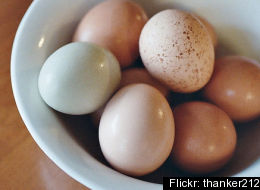
I have laying hens, and believe me when I tell you they have a good life. They're free range to the point of too free, and spend warm days by the pond, eating bugs. They lay eggs with neon orange yolks, a sign they're low in cholesterol and high in good protein. I feed them food scraps, and along with their "salad greens" of grass and plants, this cuts down on their grain consumption substantially. I'm considering getting scraps from the local elementary school, too. Use waste, be sustainable, cut down on fossil fuels, that kind of thing. I am 100% against hormones, large-scale corporate food production, caged livestock, and mistreatment of animals of any kind. But I don't use organic grain, because it's twice as expensive, and since the hens are so free-range they get most of their diet through food scraps and plants, and eat very little grain anyway (which, although not certified organic, is all-natural, hormone and antibiotic free.)
When I went to my local co-op and proposed I become one of their egg suppliers however, the grocery buyer asked me first off: "Are they organic?" "Well," I told her, "they're free-range! Almost to the point of too free!" But the buyer shook her head, and offered to pay me a dollar less per dozen. A hen with a good life doesn't qualify as organic if the minimal grain they eat per day is not. Doesn't matter if it's one kernel of grain per day. "So," I asked her, "if my birds were locked in cages but I stuffed them until they popped with organic grain, they'd be worth more?" She nodded. "Even though my hens have a better life, get sun and exercise, eat plants, roam free, and the eggs are lower in cholesterol and saturated fat as a result?" She nodded. Insane.
On the subject of "organic," Salatin says:
Too often, especially in organic agriculture, we focus all the attention on the animal's diet and miss the bigger picture... I am constantly amazed that people in Virginia pay exorbitant prices for certified organic broilers flown in refrigerated air freight from California, birds that do not receive green material and are raised basically in a conventional confinement factory house. From a world-view standpoint, it would probably be better for the environment to buy locally produced conventional chicken than to encourage the use of jet fuel and heavy metal to transport that chicken across the country. In the name of one cause, we sacrifice another equally worthy cause... the point is that organic feed is only a fraction of what is necessary to produce a truly dynamic bird. Certainly truly organic chickens are not necessarily bad. But neither are they necessarily good.So, what do you -- the consumer -- do now? Most important is to keep in mind that organic certification is a label, and not a guarantee your meat had a good life, or is healthier than "conventional" brands. This is not a plug for corporate food. Of course you'll still want all natural, hormone and antibiotic free meat, but...Organic? It's so much more expensive, and who has extra cash for false promises these days? It's in times like these when it's especially good to know what's behind the label. Which, in the worst cases, is nothing more than a big, fat, unhappy lie.
To read more of Joel Salatin, check out his books: You Can Farm, Pastured Poultry Profit$, Everything I Want To Do Is Illegal, Salad Bar Beef,, Family Friendly Farming, and Holy Cows and Hog Heaven.
100 Healthy Food Rules to Govern Your Kitchen

As Michael Pollan says, we should "eat food. Not too much. Mostly plants." This is a good general rule to live and eat by, but there are so many more nuggets of wisdom you can use. Read on these 100 rules that can help you keep a healthy eating lifestyle.
Variety
Follow these rules to keep variety in your diet.
These rules will help you when you’re out food shopping.
Learn which foods and food groups to stick with in these rules.
These rules will tell you which foods to stay far away from.
Eat realistic portions with the help of these healthy food rules.
Following these rules will help you improve the quality of the food you eat.
Develop good eating habits by following these food rules.
These rules will help you make your home cooking healthy.
Get proper nutrition with the help of these rules.
Eat well even away from home by following these rules.
These sustainability rules will help you ensure that your food isn’t just good for you-it’s good for the planet and your community.
Stay safe by following these rules.
These are rules you’ve probably heard before, but should seriously consider breaking.
Variety
Follow these rules to keep variety in your diet.
- Eat your colors: In order to get as many different phytochemicals as possible, you’ll need to eat different colored vegetables and other foods.
- Variety is the spice of life: Mix things up, and be sure to eat a lot of different foods so that you can get a variety of nutrients from your diet.
- Eat from different cultures: Eat Mediterranean, Italian, Chinese, and more.
- Three food rule: Every time you eat, have a single portion from three different food groups, one of them protein.
- Try it, you’ll like it: Take a small taste to find out how you really feel about a food without lots of pressure.
- Love herbs and spices: You can add flavor without sugar or salt by using herbs and spices.
These rules will help you when you’re out food shopping.
- Shop for health: Remember that if you buy it, you’re going to end up eating it.
- Stop off at a farmer’s market or fruit stand: Even if you don’t have specific purchases in mind, shopping in a healthy food environment can make you more focused on eating what you should.
- Plan ahead: Go to the grocery store armed with a game plan to get the most healthy food for your money.
- Shop the perimeter of your supermarket: Fresh food is on the outside, manufactured food tends to be toward the middle.
- Make a realistic food budget: Get smart about the money you spend on food.
Learn which foods and food groups to stick with in these rules.
- Eat your greens: Greens and vegetables will help give you the health that you need.
- Enjoy oily fish: Fish like salmon and mackerel are full of excellent omega-3 fatty acids.
- Drink your milk: Give yourself the milk you need, and your kids two to three servings of dairy per day.
- Eat wild foods: Berries, fish, and other food you can find in nature is often good for you. Just be sure to research and make sure what you’ve found is safe to eat.
- Focus on whole grains: When eating breads and pastas, make sure what you’re eating is made of whole grains.
- Eat in two food groups-things that move, and things that grow: If it’s not a plant or an animal, don’t eat it.
- Eat food that doesn’t have an ingredient label: Fruits, vegetables, and other whole foods don’t often have ingredient labels.
- Eat food your great grandmother would recognize: If your great grandmother would have no idea what it is you’re about to eat, skip it.
These rules will tell you which foods to stay far away from.
- Reduce the amount of meat you eat: You can reduce the meat in your meal by adding beans.
- Don’t eat anything you can’t buy yourself: If you can’t buy the ingredients that go in your food, you shouldn’t eat it.
- If man made it, don’t eat it: Jack Lalanne’s advice is great for avoiding manufactured foods.
- Don’t eat anything with more than five ingredients: Eating foods closer to their natural state ensures that you get more nutrients.
- Avoid food that makes health claims: Everyone already knows real food is healthy-it’s when packages and pushers have to explain what a food can do for you that you need to be worried.
- Don’t eat anything you wouldn’t want to "be": Remember that you are what you eat — do you want to be a fast food burger?
- Don’t eat plastic food: Focus on real food instead.
- Avoid manufactured foods: Anything prepackaged is probably full of too much sugar, salt, and fat.
- Don’t eat any ingredients you can’t pronounce: If you’re eating food that only a chemist recognizes, something is wrong.
- Stay away from food with celebrity endorsements: Food that needs to be endorsed generally isn’t good to eat.
- Eat nothing containing corn syrup: Food containing corn syrup is generally not nutritious.
Eat realistic portions with the help of these healthy food rules.
- Eat on a salad plate: Using a smaller plate will trick your mind into thinking that you’re eating more than you really are.
- Eat until you are four-fifths full: This Japanese saying advises you to stop eating before you’re truly full.
- Fill your plate with 3/4 vegetables: Make vegetables a main focus, rather than a side.
- Your eyes are bigger than your stomach: Don’t allow yourself to take more food than you can comfortably eat.
- Eat a teaspoon at a time: Eat more slowly by only putting a teaspoon of food or less in your mouth at once.
- Practice moderation: Everything is good in moderation.
- Use a salad fork: You’ll take tinier bites and feel more satisfied by using a smaller fork.
- Fill your belly with food, air, and water: The prophet Muhammad recommended a belly with 1/3 food, 1/3 drink, and 1/3 air.
- Balance your plate: Half of your plate should be crunchy vegetables, 1/4 starchy vegetables, and 1/4 protein.
Following these rules will help you improve the quality of the food you eat.
- It’s not food if it comes to you through the window of a car: Don’t count fast food as real food.
- Don’t eat at any restaurant of which there is more than just one: Stick with local, independent establishments to get better quality food.
- Don’t buy food in a gas station: Gas stations are not known for their high quality food.
- If a bug won’t eat it, neither should you: Eat food that is attractive to bugs, just be sure to keep them away from it!
Develop good eating habits by following these food rules.
- Eat only at the table: Don’t eat standing up, snack while you prepare food, or eat after your meal is over.
- Eat when you’re hungry: You don’t have to eat at the time deemed as lunch time or dinner time: eat when you’re hungry.
- Read the fine print: Check out the ingredients, nutrition facts, and other small details to learn what you’re really eating.
- The 20 minute rule: Make your food last at least 20 minutes, and even if you can’t wait at least 20 minutes before going back for seconds.
- Eat well 90% of the time: Allow yourself a few vices like dark chocolate and good beer.
- Eat breakfast: A good breakfast is insurance to help you avoid overeating later in the day.
- Savor every bite: Slow down, and enjoy the things that really satisfy you.
- Don’t eat too late: Eating too much before bed can interfere with good sleep habits.
- Avoid eating while reading or watching TV: Be conscious of what you’re eating — eat without distractions.
- Don’t eat in the car: Not only is it dangerous, you’re also likely to not pay good attention to what you’re eating. Eat breakfast like a king: Your body can process large meals better earlier in the day, rather than at night, so don’t be afraid to eat a big breakfast.
- Empty your mouth before filling your fork or spoon: Promote good digestion and slower eating by clearing your mouth before every new bite.
- Don’t eat when you’re bored: Eating when you’re bored can lead to overeating.
- Chew your food: Break down your food by chewing each mouthful 20-25 times.
These rules will help you make your home cooking healthy.
- Keep fruit handy: Leave out a bowl of fruit on your table, counter, or in the refrigerator.
- Put vegetables in your pasta and lasagne: Sneak vegetables into your pasta and lasagne for chunkiness and better nutrition.
- Plan your recipes: Know what you’re going to eat on Thursday night before Thursday night comes around, and you can better govern what you end up eating.
- Grow your own food: Start a vegetable, fruit, and herb garden to eat healthy at home.
- Make fruit accessible: Cut up fruit and refrigerate it so it will be easy to pick up later.
- Prepare salad as your main dish: Make your main dish salad every now and then.
- Freeze your food: Create soups, casseroles, meat, and other freezable foods in bulk, so you’ll always have an easy meal ready to go.
- Get canned, frozen, and dried fruits: In addition to fresh fruit, you can stock up with dried, frozen, and canned fruit that will last longer.
- Stock up on frozen vegetables: Use frozen vegetables that won’t go bad, and are easy to prepare in the mircrowave.
- Use your crockpot: With a crockpot, you’ll be able to fill your dinner full of vegetables and simmer all day.
- Eat a green salad with dinner every night: Get dinner started right by eating a salad packed with vegetables.
- Eat vegetables that are easy to prepare: Get baby carrots, grape tomatoes, and salad greens, so you’re more likely to eat them.
- Make good use of condiments: Parsley, cilantro, mint, mustard, and other condiments are a great way to add flavor and nutrients.
- Make vegetables the main dish: Make stir fry or soup to put veggies first.
Get proper nutrition with the help of these rules.
- A snack is not the same thing as a treat: Remember that even if you’re just snacking, you don’t need to eat junk.
- Get equal amounts fat and protein: Make sure you’re getting enough protein by matching it to fat.
- Eat food that can rot: Avoid eating too many preservatives-eat food that is subject to rotting. Just make sure you eat it before it gets there!
Eat well even away from home by following these rules.
- Pay attention to preparation: Get steamed, grilled, or broiled dishes instead of sauteed or fried ones.
- Take food with you wherever you go: Stash a banana or other portable healthy food, and you won’t be tempted to eat unhealthy food when you’re on the go.
- Spend more: Generally, more expensive restaurants serve food that’s healthier for you, so when you go out, visit a higher quality restaurant.
- Get a doggy bag: Instead of cleaning your plate, bring some food home for later.
- Substitute vegetables: Get extra vegetables instead of rice or potatoes.
- Only make one request: Don’t switch things up so much that you drive the chef and waitstaff crazy.
- Order drinks without added sugars: Get water, milk, or unsweetened tea.
- Visit ethnic restaurants: You can often find excellent food at a great price by visiting Cuban, Greek, Irish and other ethnic restaurants.
- Split your entree: Eat less and save more money by sharing your entree with someone else.
- Ask for whole wheat bread: When you order a sandwich, ask for whole wheat bread.
- Decide on your splurge: Allow yourself the bread basket, cocktails, or dessert, but not all three.
- Order a salad first: Start your meal with a salad full of vegetables, and you’ll better control your portions and nutrition.
- Order your least favorite cocktail: You’ll be less likely to go overboard if you’re drinking something that goes down less easy than your favorite.
These sustainability rules will help you ensure that your food isn’t just good for you-it’s good for the planet and your community.
- Eat locally: Practice a 100 mile diet to get the freshest, most Earth-friendly food.
- Tie off the sack before it’s full: By stopping before you’re full, you’ll make sure that you don’t have a bursting belly.
- Buy in season: Eat food that’s currently being grown in season, and you’ll have fresher, more environmentally in-tune meals.
- Buy organic: Get more nutrients out of your food by buying organic.
- Buy animal products from humane farms: Know that the meat and animal products you’re eating are humane by purchasing them from farms with humane standards.
Stay safe by following these rules.
- Keep non-food items out of the kitchen: Books, backpacks, and shopping bags should stay out of the kitchen.
- Never eat sushi from a convenience store: Convenience stores are not known for their stringent health standards, so avoid eating raw foods from them.
- Wash food surfaces with hot soapy water: You should wash cutting boards, counter tops, dishes, and utensils when preparing food, and in between different food items.
- Keep your food separate: Separate raw, cooked, and ready to eat foods to avoid contamination.
- Use paper towels to clean surfaces: Although it’s wasteful, using a new paper towel to clean surfaces is the easiest way to avoid contamination.
These are rules you’ve probably heard before, but should seriously consider breaking.
- Clean your plate: Eat what you need to, not what’s put in front of you.
- Five second rule: It’s been proven that five seconds is more than enough time for food to become contaminated.
- No snacking: Snacks can be great, especially when they are fruit, vegetables, and other healthy foods.
- No dessert until you finish your vegetables: Don’t use dessert or any other food as a reward or punishment.
Subscribe to:
Posts (Atom)


